
Polyurethane casting turns two liquid components (A: isocyanate, B: polyol) into a solid part by mixing them at a fixed ratio and pouring them into a mold. It is used for prototyping, low-volume production, jewelry and art, architectural models, and tooling/fixtures. This guide covers how casting works, the main methods, and how to choose the right equipment.
How polyurethane casting works
The moment the two components mix, a chemical reaction (curing) begins. The time the mixture stays fluid is called the pot life, and the material must reach the mold within it. Correct ratio, homogeneous mixing and avoiding air bubbles determine the quality of the final part.
Main casting methods
- Hand mixing: Lowest cost but least consistent. Ratio errors, bubbles and waste are high.
- Static-mix dispensing: A and B are metered precisely at the set ratio and blended in a disposable static mixing nozzle. Consistent, clean and repeatable.
- Vacuum casting: Casting under vacuum to reduce bubbles; preferred for fine detail.
- Reaction Injection Molding (RIM): The mix is injected under pressure into a closed mold; for larger or more complex parts.
How to choose the right machine
Industrial high-pressure machines are built for large-scale production and are usually expensive. For prototyping, low volume and workshop-scale work, a compact, benchtop dispensing and casting system is the right starting point: lower cost, small footprint and easy operation.
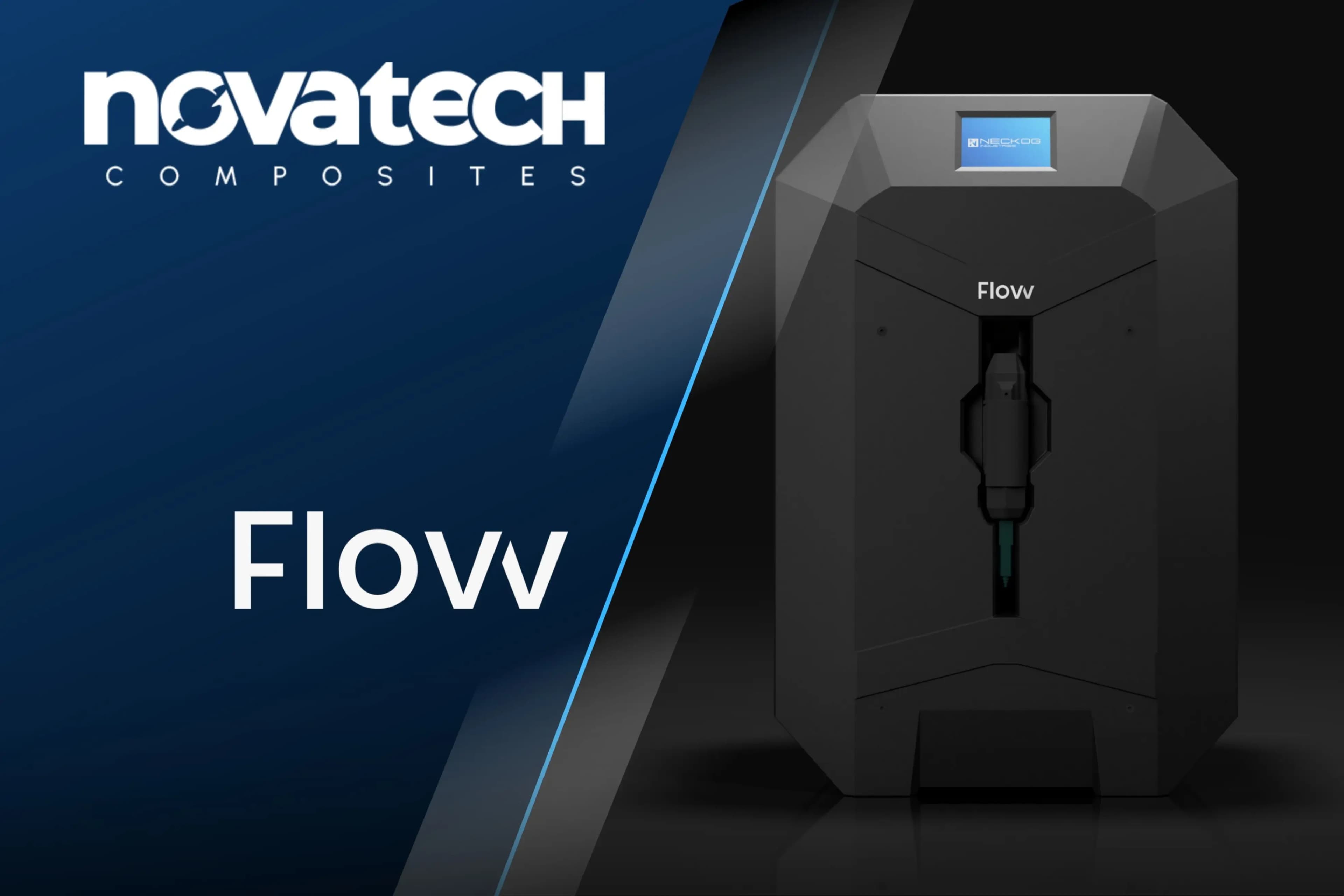
Novatech's Flovv is a compact reactive-injection and casting system designed exactly for this need. It meters A and B precisely and produces bubble-free, homogeneous casts through a static nozzle — and it works with polyurethane and resin.
Tips for your first cast
- Use materials at the manufacturer's recommended temperature; cold material changes pot life and flow.
- Prepare the mold in advance and use a release agent if needed.
- Transfer the mix to the mold before the pot life ends.
- Replace the static mixing nozzle when the mix inside it cures or when you switch material.
Not sure which material and hardness suit your application? Talk to our team — we recommend the right setup for your use case.