
Composite Reinforcements and Vacuum Systems
Peel Ply Fabric – Composite Release Fabric
SKU: NVT-AC-PLY-01
$1.86/ m²
(VAT-exempt export price)
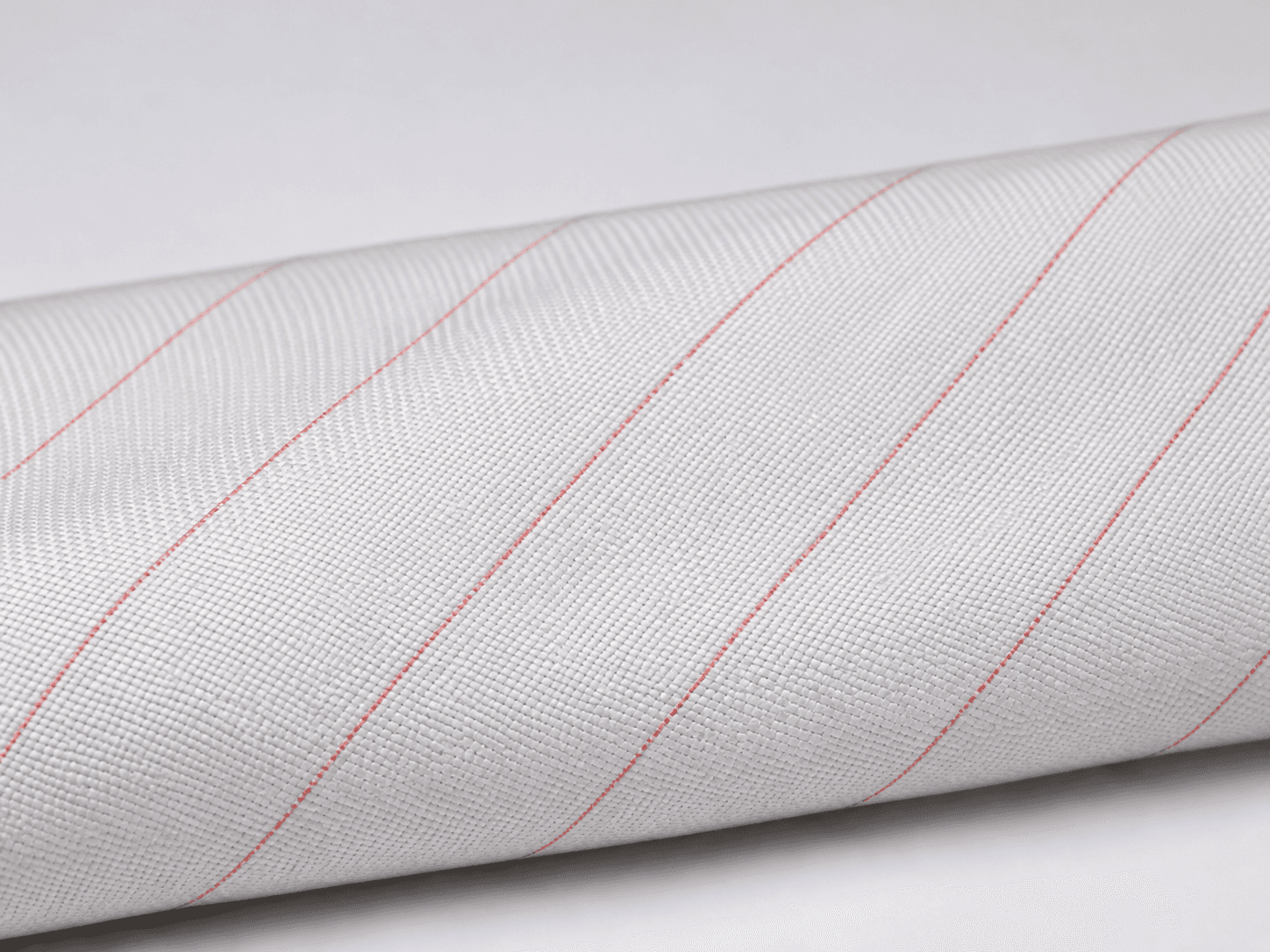
Peel Ply Fabric is a removable process fabric used in composite laminate manufacturing. Applied directly to the laminate surface, it is removed after resin curing to leave a textured surface that can assist with preparation for subsequent bonding, coating, and lamination processes.
Peel ply fabrics are used in hand lay-up, vacuum bagging, and resin infusion processes. Their woven structure creates a surface texture when removed from the cured laminate. When properly selected and used with a compatible resin system, peel ply may reduce the need for mechanical surface abrasion.
Unit Price: $1.86 / m²Total (1 m²): $1.86
- Secure payment via PayTR
- Fast worldwide shipping
- Expert technical support
Shipping is calculated at checkout based on your address.
Corporate purchase, custom application or bulk order? Talk to our engineer.
Description
Peel Ply Fabric – Composite Release Fabric
Peel Ply Fabric is a removable process material used in composite laminate manufacturing. It is applied directly to the laminate surface during processing and removed after resin curing. Peel ply fabrics are commonly used in hand lay-up, vacuum bagging, and resin infusion processes to assist with surface preparation and removal of process consumables.
When removed from a cured composite laminate, the fabric leaves a textured surface corresponding to its woven construction. This surface texture can assist with preparation for subsequent bonding, coating, or lamination operations.
Function of Peel Ply Fabric
One of the primary functions of peel ply is to create a controlled surface texture on composite laminates. The fabric is positioned against the laminate during processing and peeled away after curing.
The resulting textured surface may reduce the amount of mechanical abrasion required before certain secondary operations. However, removal of peel ply alone does not guarantee that the surface meets the requirements for subsequent bonding or coating.
Technical Characteristics
- Product type: Peel Ply Fabric
- Material classification: Composite processing consumable
- Primary function: Removable surface layer for cured composite laminates
- Surface effect: Formation of a woven surface texture
- Application stage: Lamination and curing
- Removal stage: After curing
- Processing methods: Hand lay-up, vacuum bagging, and resin infusion
Functional Benefits
- Surface preparation: Leaves a textured laminate surface after removal.
- Secondary bonding: Can assist with preparation for subsequent adhesive bonding operations when suitable materials and processing conditions are used.
- Reduced abrasion requirements: May reduce the need for sanding or mechanical surface abrasion in compatible processes.
- Removal of consumables: Helps separate vacuum processing materials from cured composite laminates.
Applications
- Composite laminate manufacturing
- Hand lay-up composite processing
- Vacuum bagging applications
- Resin infusion processes
- Surface preparation for secondary bonding
- Surface preparation for subsequent lamination
- Surface preparation for coating processes
Application and Usage Information
Peel ply fabric is positioned directly on the composite laminate surface requiring subsequent processing. Depending on the manufacturing method, additional vacuum bagging or lamination consumables are then applied.
After the composite laminate has completed its curing process, the peel ply fabric is removed from the laminate surface, leaving a texture corresponding to the fabric construction.
Before secondary bonding, coating, or lamination, the exposed surface should be evaluated according to the cleanliness, preparation, and adhesion requirements of the intended process.
Important Considerations
- Compatibility between the peel ply fabric and the selected resin system should be verified.
- Maximum service temperature and release characteristics depend on the specific peel ply product.
- Coated and uncoated peel ply fabrics may produce different surface conditions.
- Some coated fabrics may transfer release-agent residues to the laminate surface.
- Surface suitability should be verified before critical secondary bonding operations.
Related Products
View all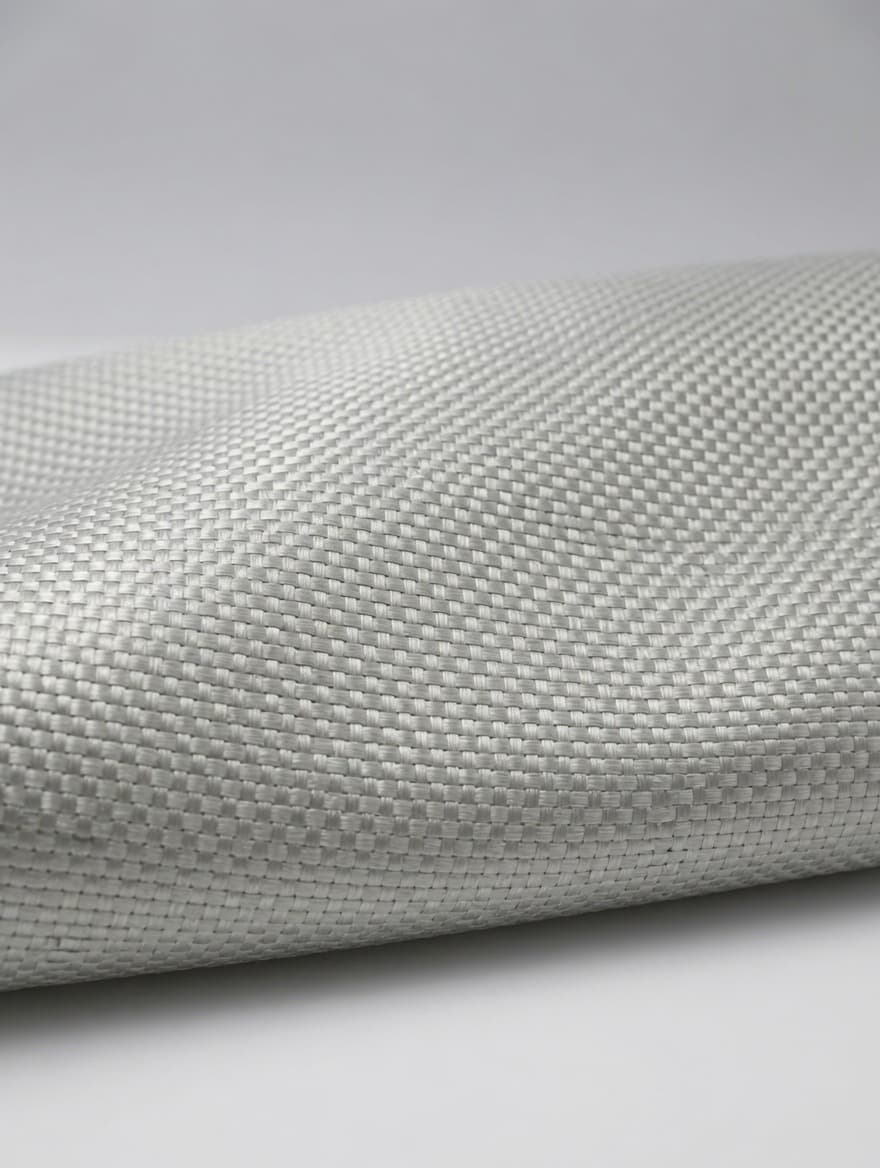
800 g/m² Plain Woven Fiberglass Fabric
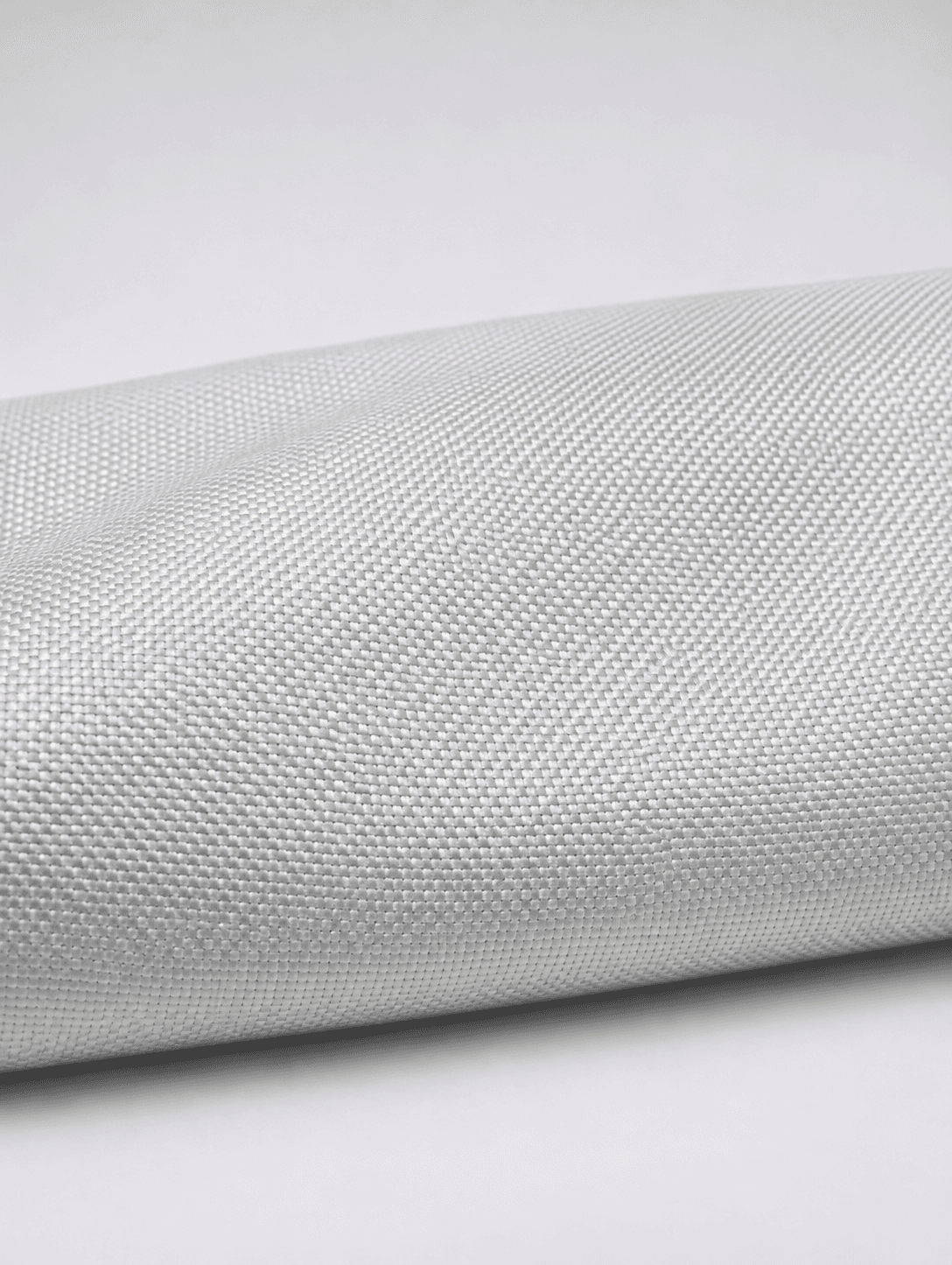
500 g/m² Plain Weave Fiberglass Fabric
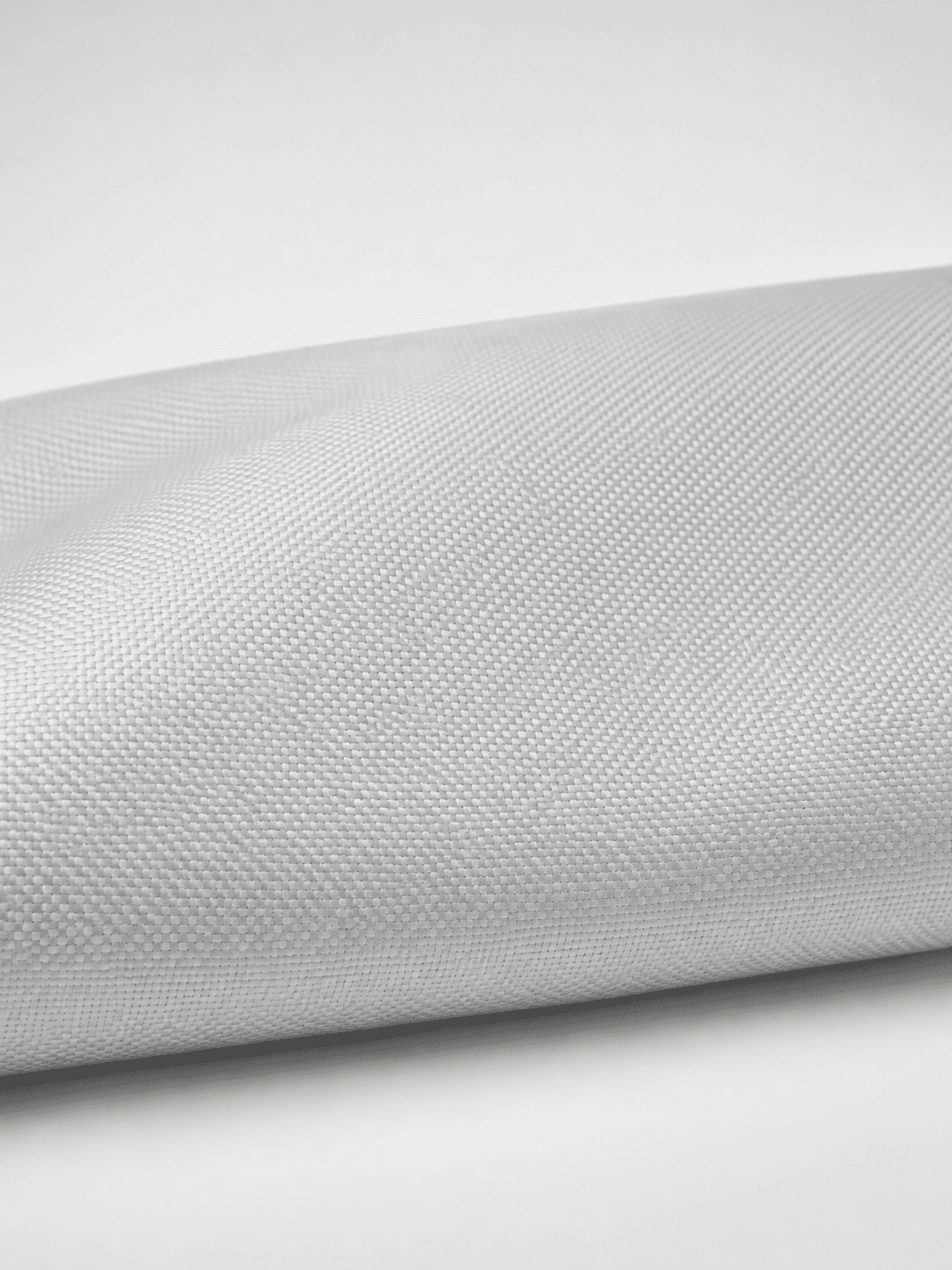
300 g/m² Plain Weave Fiberglass Fabric
245 g/m² 3K Twill Carbon Fiber Fabric
$1.86